
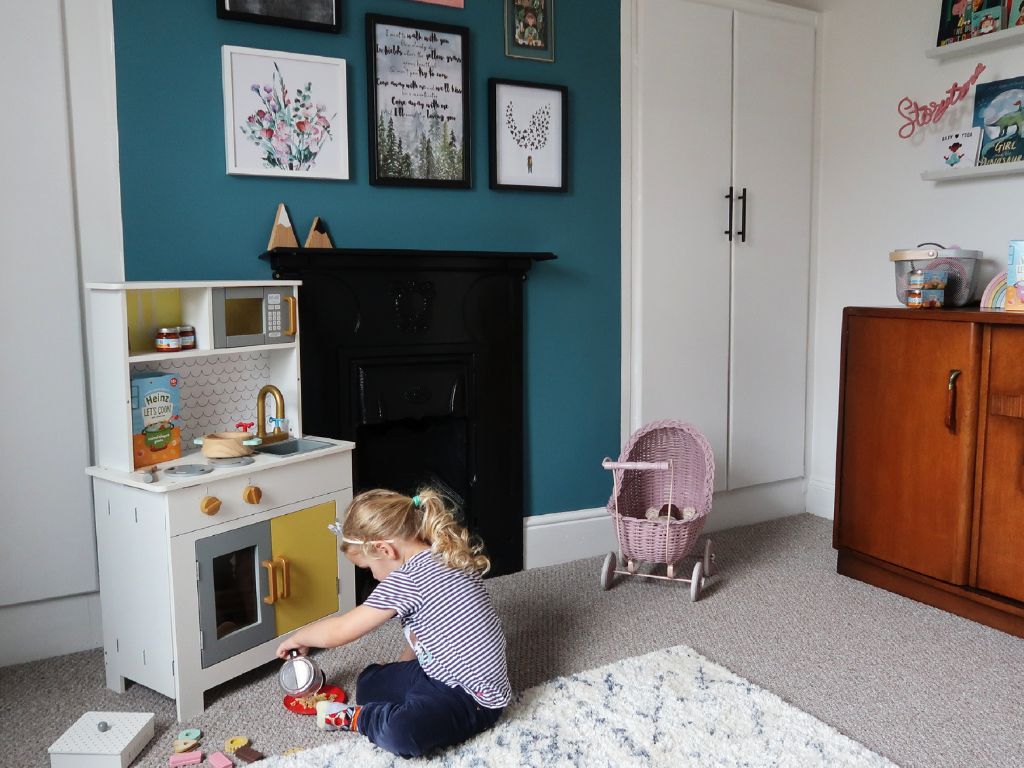
Living with a toddler changes the way you look at almost every surface in the house. A kitchen floor is no longer just part of the decorating scheme when breakfast can end up underneath the table, while hallways have to cope with muddy shoes, pushchairs and toys being moved from one room to another.
That does not mean a family home has to be designed entirely around mess. The more useful approach is to choose finishes that still look good but are realistic about everyday life. For flooring, that means thinking about cleaning, moisture, furniture and where the busiest parts of the house actually are.
Start With the Messiest Parts of the Day
Before choosing a colour or pattern, think about where the floor gets the hardest use. For many families, that is not necessarily the child’s bedroom. Kitchens, hallways and dining spaces often see more spills, outdoor dirt and repeated traffic during an ordinary day.
Mealtimes are an obvious example. Drinks tip over, food falls from highchairs and wiping the floor becomes part of clearing the table. A surface that needs a complicated cleaning routine can quickly become frustrating when the same job happens several times a week.
Hallways have their own problems. Shoes, bags, pushchairs and toys all pass through a relatively small area, so the finish needs to work with a part of the house that rarely stays pristine for long.
Looking at those routines first makes it easier to decide what the floor actually needs to cope with. Instead of asking which floor looks best in a photograph, you can start with what you are actually prepared to clean and maintain.
Keep the Wood Look Without Adding More Upkeep
Timber tones work easily with many family interiors because they sit comfortably beside painted furniture, colourful storage and the collection of toys that inevitably moves between rooms. The challenge is deciding whether real timber is the most practical way to achieve that look.
Wood effect LVT flooring provides another option. It uses timber-inspired colours and grain patterns while waterproof ranges are available for areas where spills and moisture are more likely. The specification of the individual product still matters, particularly when deciding which room it is suitable for.
For parents who want a timber look but need a floor that is easier to manage around everyday family life, Urmston Carpets offers wood-effect LVT in natural oak, light oak, grey, smoked oak and other wood-inspired finishes, with waterproof options available.
Seeing samples in the room is useful before choosing between them. A pale oak that looks warm online can appear quite different beside white kitchen units or under the lighting already installed at home.
Think About Cleaning Before Colour
It is easy to spend most of the decision on appearance because that is the enjoyable part. In a home with young children, the cleaning instructions deserve just as much attention.
Wood effect LVT is designed for straightforward cleaning and maintenance, but the manufacturer’s instructions for the particular floor should still be checked. That is more useful than assuming every vinyl product can be cleaned in exactly the same way.
It also helps to be realistic about what tends to land on the floor. A dining area may deal with food and sticky drinks, while the hallway gets outdoor dirt and grit. Bathrooms and kitchens add more regular contact with water.
Choosing around those habits does not have to make the house feel overly practical. It simply means avoiding a finish that creates another job every time family life gets untidy.
Look at How the Rooms Connect
Family homes rarely operate as separate rooms. Children move toys from the living room to the kitchen, shoes cross the hallway and open-plan spaces may combine cooking, dining and play in one area.
That makes transitions worth considering before the flooring is ordered. If one room already has carpet or tile that will remain, look at how the new surface will meet it at the doorway. The two finishes do not need to match, but seeing them together can prevent an awkward change in tone later.
Open-plan rooms need a little more thought because more of the floor stays visible at once. A very pronounced grain or dark tone may become a larger part of the overall scheme than expected. In a smaller room filled with furniture, much less of the same design may remain visible.
This is another reason samples are useful. Place them near cabinets, skirting and adjoining flooring rather than looking at them on an empty table.
Check What Is Under the Existing Floor
A new floor will not remove problems beneath the old one. If the existing covering is being lifted, it is worth checking the subfloor before deciding exactly what happens next.
With LVT, preparation is particularly important because imperfections beneath the material can affect the finished appearance. Subfloor preparation and levelling may therefore need to be dealt with before the new floor is fitted.
This is also the point to think about doorways, fixed kitchen units and other features the flooring has to meet. Knowing what is staying in position makes measuring easier and gives the fitter a clearer picture of the job before materials are ordered.
There is no need to assume every room requires extensive preparation. The condition of the existing floor and the requirements of the chosen product should determine what work is actually needed.
Choose for the Next Few Years, Not One Stage
Toddler life feels permanent while you are in it, but rooms change quickly. The play corner that currently holds building blocks may eventually need space for a desk, while colourful storage can be replaced long before the floor underneath it needs changing.
A neutral timber tone can make those changes easier because furniture, rugs and wall colours can move on without forcing another flooring decision. That does not mean every family home needs a pale oak floor. Darker and grey finishes can work just as well when they suit the rest of the interior.
What matters is choosing the permanent part of the room with a slightly longer view. Toys, furniture and children’s tastes will change. The floor needs to work with the home while all of that happens.
A family-friendly interior does not have to hide the fact that children live there. A few practical choices simply make the spills, muddy footprints and changing furniture easier to deal with. Choosing a floor that can keep up with those changes means the rest of the room can change with the family.